
Choosing an after-school activity can be a big decision. You may want something that keeps your child active while also giving them a structured environment to learn. You might also be comparing different martial arts schools, teaching styles and locations before deciding where to start.
The right programme should suit your child’s age, interests and current ability. It should also provide clear instruction and realistic progression rather than making promises about instant results. If you are comparing martial arts Perth options, understanding what training involves and what to look for can help you make a more informed choice.
What Does Martial Arts Training Involve?
Martial arts training combines physical movement with technical learning. In karate, students may practise stances, strikes, kicks, defensive movements, kata, partner work and fitness exercises. Classes are generally structured so students can learn techniques progressively rather than attempting advanced movements before they understand the basics.
For beginners, repetition is important. A student may practise the same movement several times while working on balance, posture, coordination and control. Instructors can then introduce more complex combinations as the student becomes familiar with the fundamentals.
This means martial arts is not simply about learning how to kick or punch. Students also have to listen carefully, remember instructions and apply corrections. For children, that can create a useful link between physical activity and focused learning.
One practical point parents can consider is how a class teaches progression. A child who struggles with a new technique may not improve simply because someone tells them to try harder. They may improve when the movement is broken into smaller steps and practised consistently. This approach can make the learning process more manageable and gives children a clearer understanding of how improvement happens.
Choosing Adult Martial Arts Classes
Adults have different reasons for starting martial arts. Some may want a structured form of exercise, while others are interested in learning karate, developing coordination or trying a new activity. When comparing adult martial arts classes, it is important to consider more than the style of training.
Think about whether beginners are welcomed, whether the location is practical for your routine and whether the instruction matches your current ability. You should also understand how students progress and what is expected during training.
According to its adult programme information, Shobukan Martial Arts welcomes adults without previous martial arts experience or a particular fitness level. The programme includes training options across several Perth locations, making it useful to learn more about adult martial arts classes in Perth before deciding whether the programme suits your needs.
If you are completely new to martial arts, ask what happens during your first lesson. Understanding the introduction process can help you decide whether the class is appropriate before committing to regular training.
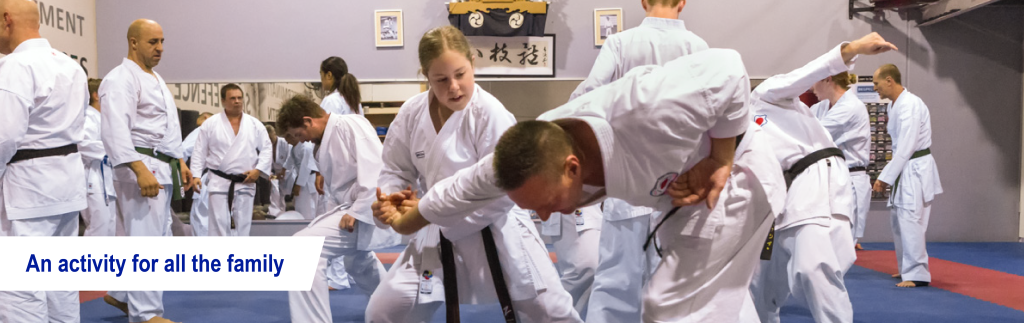
Parents may also find it useful to experience a class themselves if they are considering martial arts as a family activity. Seeing how instructors explain techniques, manage groups, and correct mistakes can provide useful insight that a website description alone cannot provide.
Realistic Benefits of Martial Arts Training
Martial arts can support physical fitness and personal development, but the benefits vary between individuals. Regular training involves movement, repetition and technical practice, which can contribute to fitness, balance, coordination and body control.
Focus is another important part of training. Students need to pay attention to instructions and remember sequences of movements. As techniques become more complicated, they must concentrate on several details at once.
Confidence can develop through the process of learning rather than through a promise of guaranteed personal change. For example, a student may initially find a particular technique difficult. With practice and instructor feedback, they may eventually perform it more accurately. That experience can help them understand that progress often takes time.
Discipline can work in much the same way. Students learn to follow a class structure, practise techniques and work towards specific grading requirements. These habits may be useful outside training, but they should be viewed as potential outcomes rather than guaranteed results.
For children, the combination of movement and structured learning can make martial arts a useful activity to consider alongside other sports and hobbies.
Why the Local Community Matters
Location is a practical part of choosing a martial arts school. A programme may look suitable, but if getting to classes is difficult, maintaining a routine can become harder.
Shobukan Martial Arts lists clubs across Perth, including locations such as Wangara, Hillarys, Alkimos, Willetton, Morley, Joondalup and Ellenbrook. Families can explore the martial arts programmes and Perth locations to see which options may fit more naturally into their routine.
The school provides martial arts programmes for children, teenagers and adults. This gives families different options when considering training at different stages of life.
Instructor and child-safety information should also form part of your decision. Shobukan states that its instructors include Australian Sports Commission-accredited coaches and that instructors working with children have Working with Children checks.
These are the kinds of details worth checking when comparing local schools. Alongside location and programme suitability, you want to understand who will be teaching and how the school approaches training.
What to Expect From Your First Class
Starting martial arts for the first time can feel unfamiliar, particularly for a child who has never taken part in a structured martial arts class. A first lesson should be treated as an introduction to the activity rather than a test of ability.
Shobukan’s website explains that its introductory trial allows new students to learn basic skills with a Government-accredited instructor and ask questions about the programme. This can give beginners a chance to become familiar with the environment before deciding whether regular training is right for them.
Beginners can expect to spend time learning fundamental movements and becoming familiar with the class format. There is no reason to compare a new student’s ability with someone who has been training for a longer period.
As training continues, students can work towards belt grading. Grading provides a structured way to assess progress against the requirements for a particular level. Shobukan provides formal grading processes for students progressing through its belt system.
For parents, this progression can be useful because it gives children a clear learning pathway. Instead of viewing a belt as simply a reward, you can encourage your child to focus on the skills behind it: learning the techniques, practising regularly, listening to feedback and preparing for assessment.
That process is one of the more valuable aspects of martial arts. It shows students that difficult skills can become achievable when they are divided into manageable steps and practised over time.
Frequently Asked Questions:
The appropriate starting age depends on the child’s development, interests and readiness for structured activity. Shobukan lists programmes for children from three years old through to teenagers. Parents should consider whether their child can participate comfortably, follow basic instructions and enjoy learning in a group setting.
No previous martial arts experience is required for beginners. Children can learn foundational techniques progressively rather than needing to know karate before joining. Parents can also use an introductory session to understand the teaching approach and see how their child responds to the class before deciding whether ongoing training is suitable.
Martial arts can be considered by children with different fitness levels because training develops progressively. Beginners can focus on learning movements and basic techniques before tackling more demanding skills. Parents should still consider their child’s individual needs and speak with the instructor if they have concerns about participation or physical activity.
The appropriate training frequency depends on the programme, the child’s age and your family’s routine. Consistency is generally more useful than trying to fit in too much training at once. Regular attendance gives children opportunities to practise techniques, receive feedback and become familiar with the skills needed for gradual progression.
Consider the school’s beginner programmes, instructors, child-safety practices, location and approach to progression. It can also help to observe whether instructors communicate clearly and create an organised learning environment. A suitable school should give your child room to learn progressively while making expectations understandable at each stage.
Take the Next Step With Martial Arts
Choosing a martial arts school should start with understanding what the programme offers and whether it fits your family. Consider the location, beginner experience, instructors, training approach and progression system before making a decision. Shobukan Martial Arts provides programmes for children, teenagers and adults across several Perth locations. If you would like to learn more about martial arts, beginner training or available programmes, call Shobukan Martial Arts and speak with the team. They can answer your questions and help you understand the next steps for getting started.