
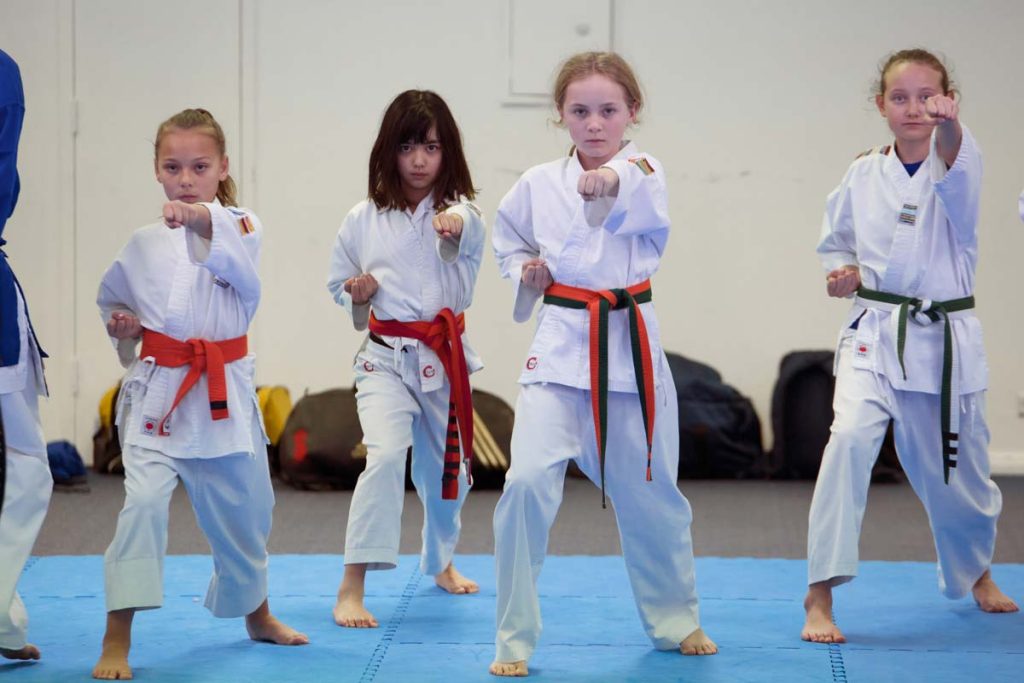
Finding an activity your child genuinely enjoys can be harder than it sounds. Some children thrive in team sports, while others prefer an activity where they can work at their own pace and see their own progress. Parents may also want something that supports physical fitness while helping children develop useful habits such as listening, concentration and perseverance.
For families comparing children’s activities in Perth, choosing the right martial arts academy in Perth can provide a structured way to combine movement, learning and personal development. The key is finding a programme that matches your child’s age, experience, and personality. Understanding what classes involve, how beginners progress and what to look for in a local school can make the decision easier.
What Does Children’s Martial Arts Training Involve?
Children’s martial arts is about considerably more than learning kicks and punches. At Shobukan Martial Arts, karate programmes are organised around age and ability, with programmes available for different stages of childhood. The school’s published information includes a Little Samurai programme for children aged 3 to 6 and a Young Samurai programme aimed at children aged 7 to 12.
For beginners, the first stages focus on learning basic movements, following instructions, developing body awareness, and becoming comfortable in the training environment. Children can learn how to control their movements, maintain balance and coordinate different parts of the body while gradually becoming familiar with karate techniques.
Parents should also expect repetition. Repeating a movement may not seem exciting at first, but it helps children understand technique and build consistency. Shobukan’s programme information explains that children learn through repetition and that regular assessments and goal setting form part of its Karate Kids approach.
This is one useful distinction between martial arts and some recreational activities. Progress is not only about being naturally athletic. A child can work towards small, measurable improvements in technique, attention and movement, making the learning process easier to understand.
What Should Parents Look For When Choosing Martial Arts for Kids?
When comparing martial arts kids programmes, look beyond the style of martial art alone. The teaching environment, age grouping, beginner support and approach to progression can have a bigger effect on whether your child enjoys training. Parents should consider whether the programme feels suitable for their child’s age, confidence and current experience.
Start by asking whether beginners are taught separately or whether they are placed into a class that suits their current ability. Shobukan states that it offers age-specific classes and, within most age groups, beginner, intermediate and advanced levels. Its programme information also describes small class groups and personalised instruction.
It is also worth asking how instructors work with children who are nervous, easily distracted or completely new to structured exercise. A child does not need to arrive confident or coordinated. The purpose of beginner training is to give them an opportunity to develop those qualities gradually.
For parents researching martial arts kids options, instructor suitability is another important consideration. Shobukan’s instructor information states that its instructors have Australian Sports Commission coaching accreditation and Working with Children Checks.
Finally, consider whether the class structure fits your child’s personality. Some children enjoy clear routines and goals, while others need more time to settle into a new environment. A trial or introductory lesson can help parents and children make a more informed decision before committing to ongoing training.
What Can Children Realistically Gain From Martial Arts?
Parents often hear that martial arts can build confidence, discipline and focus. These benefits can be meaningful, but they should not be treated as guaranteed results or overnight changes. A child’s experience will depend on their personality, attendance, effort and comfort with the training environment.
Regular physical activity can support children’s fitness, balance and coordination. Martial arts also require children to listen, remember instructions and repeat movements accurately. Over time, these repeated tasks can give children regular opportunities to practise concentration and persistence.
Confidence can develop through achievable challenges. A child who learns a new movement, remembers a sequence or completes an assessment has something specific to recognise as progress. Shobukan describes its Karate Kids programme as using regular in-class and formal assessments to encourage goal setting and a sense of achievement.
There is also a practical lesson here for parents. Progress does not always look dramatic. A quieter child volunteering an answer, remembering an instruction without help, or staying with a difficult exercise for longer can represent meaningful development. Martial arts provides repeated situations where children can practise these behaviours rather than simply being told to “be more confident”.
Shobukan also describes its children’s programmes as supporting focus, respect, perseverance, resilience and goal setting. These are useful aims, but parents should view them as areas children can practise through training rather than guaranteed outcomes from joining a class.
Why Consider a Local martial arts academy Perth?
For families in Gosnells and surrounding parts of Perth, choosing a local programme can make regular attendance easier. Travel time, class suitability and whether your child feels comfortable in the environment all matter when an activity is intended to become part of a weekly routine.
When comparing a martial arts academy Perth option, it is useful to look beyond location. Parents can consider the programme structure, age groups, beginner pathways, instructor information and how students progress through their training. These practical details can help you decide whether a particular school matches your child’s needs.
Shobukan Martial Arts has published information specifically addressing children’s martial arts in Perth and Gosnells. The organisation states that it has been teaching karate in Perth since 1974 and currently operates seven dojos across Western Australia.
Its wider programme offering includes children’s karate alongside programmes for younger children, teens and adults. This can be useful for families wanting to understand how martial arts training can develop as a child gets older.
Parents can also review the school’s published information before inquiring. The children’s martial arts programme information explains the approach to children’s training, while the martial arts classes information provides additional context about programmes offered by the school.
Rather than choosing a school because of a single advertised benefit, look at the complete experience: age suitability, beginner support, instructor information, progression and whether the teaching style appears appropriate for your child.
What to Expect From the First Class and Belt Progression
Starting something unfamiliar can make children nervous, especially if they have never attended a martial arts class. Shobukan’s website says beginners can start without previous experience and that its programmes are designed around age and ability.
The first class should therefore be treated as an introduction rather than a test of how athletic your child already is. Your child may spend time learning basic positions, movements, instructions and class routines. They may also need several sessions before they feel completely comfortable.
For martial arts kids who are completely new to karate, early sessions are an opportunity to learn how a class works and become familiar with basic movements. Parents can support this process by allowing their child time to adjust rather than expecting immediate confidence or technical ability.
As training continues, children can work towards specific goals. Shobukan’s programme information describes regular in-class and formal assessments as part of its Karate Kids approach. Belt grading can give children a clear way to recognise progress, but the belt itself is only one part of learning.
For parents, it can be more useful to ask what your child has learned along the way. Can they follow instructions more consistently? Are they remembering techniques? Are they becoming more comfortable trying something difficult? These questions give a fuller picture of progress than the colour of a belt alone.
Frequently Asked Questions:
Shobukan’s published programme information says children can start its Little Samurai programme from age 3, while its Young Samurai programme is aimed at children aged 7 to 12. Classes are structured around age and ability, helping instructors tailor training to the needs of different groups.
No. Shobukan states that prior experience is not required and that students can begin as complete beginners. Instructors work with students according to their age and ability, allowing children to become familiar with movements, routines and techniques gradually rather than expecting them to arrive already prepared.
Parents should check the current requirements with Shobukan when booking, as clothing and equipment expectations can vary by programme. The school states that its introductory process can include providing a uniform for the first lesson, so it is worth confirming what your child should bring before attending.
A shy child does not need to be highly confident before starting. Structured activities can give children repeated opportunities to follow instructions, practise skills and complete achievable goals. Shobukan’s children’s programmes discuss confidence, focus, goal setting and positive development, although individual experiences naturally vary.
The simplest approach is to speak with the school about your child’s age, experience and any concerns before enrolling. Shobukan promotes a free, no-obligation introductory lesson, allowing families to experience the programme and ask questions before making a longer-term commitment.
Give Your Child a Positive Start With Martial Arts
Choosing children’s activities is a personal decision, and the right programme should feel suitable for your child’s age, personality and current experience. If you are considering martial arts in Perth or around Gosnells, speak with Shobukan Martial Arts about your child’s needs and what beginner training involves. You can ask about the appropriate age group, introductory options, class structure and progression before deciding. Contact Shobukan Martial Arts to enquire about children’s martial arts training and take the next step towards finding a class your child can enjoy and grow with.