
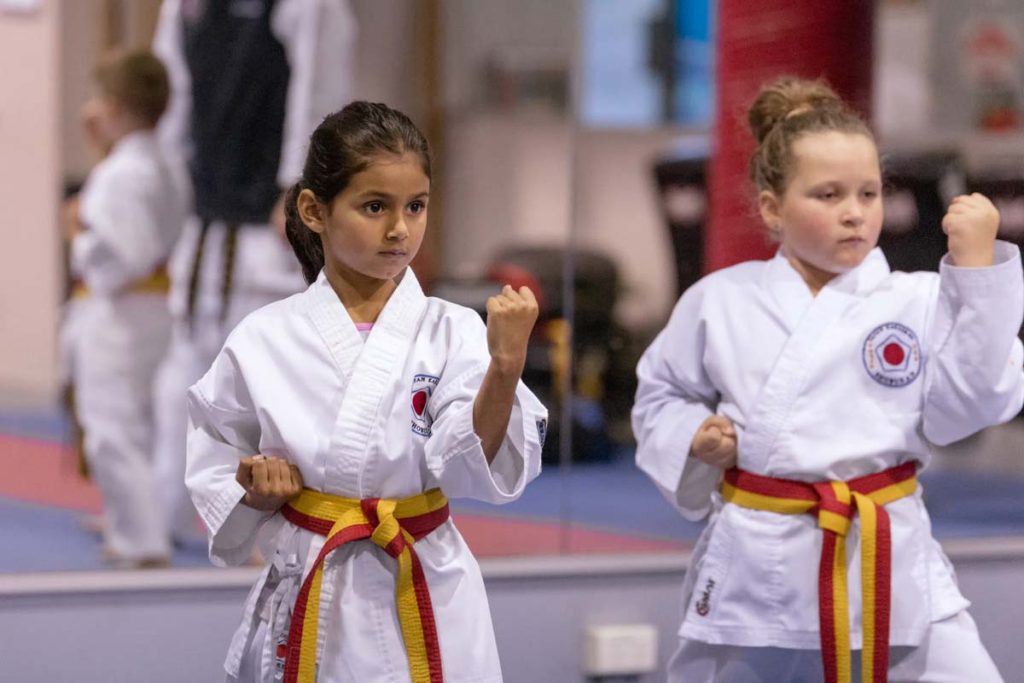
Finding an activity your child enjoys can take time. You may want something that keeps them active, teaches useful skills and gives them a chance to try something new. At the same time, you need a programme that fits around school, homework and family commitments.
Karate can be a worthwhile option because it combines physical movement with structured learning. Children practise techniques, follow instructions and work towards achievable goals. However, choosing the right school means understanding how beginners are taught, what parents should expect and whether the programme suits your child’s age and needs.
When comparing martial arts classes near me, consider more than the distance from home. Look at the teaching approach, safety practices, class structure and opportunities for beginners to learn at their own pace. These factors can help you decide whether a programme is suitable for your family.
What Do Children Learn in Martial Arts Classes?
Children’s martial arts training involves more than kicks and punches. In karate, beginners learn basic stances, blocks, controlled movements and footwork. They also practise listening, following instructions and showing respect to instructors and classmates.
Early lessons should focus on building a strong foundation. Children need time to understand new movements, repeat techniques and become familiar with class routines. Instructors can break activities into smaller steps so students can practise without feeling overwhelmed.
Shobukan Martial Arts offers programmes for different age groups, including Little Samurai for children aged three to six and Young Samurai for children aged seven to twelve. Parents can explore these programmes to understand which option may suit their child’s stage of development.
When researching children’s karate classes in Perth, ask how beginners are introduced to training and how instructors support children who need extra practice. Children do not need previous experience to begin learning, and progress should not be judged by how quickly they master a technique.
Karate can also teach children to take turns, follow safety instructions and manage frustration when something feels difficult. These habits develop through regular practice and guidance, not simply by attending a single lesson.
Choosing a Martial Arts Academy in Perth Parents Can Consider
Choosing a martial arts academy in Perth that families can feel comfortable with requires looking at the teaching approach, safety procedures and suitability of the programme.
Start by asking how beginners are taught. Find out whether children are grouped by age or ability, how instructors demonstrate techniques and what happens when a student struggles with a movement. These questions help you understand whether your child will receive appropriate guidance.
Safety should be a priority. Ask how physical contact is managed, how students are supervised and how instructors explain the responsible use of martial arts techniques. Children should understand that training is about learning control and practising safely, not using physical skills to intimidate others.
Communication with parents is equally important. You should feel comfortable asking about attendance, progression and belt grading. Clear explanations can help you understand what your child is learning and what is expected at each stage.
Practical considerations matter, too. Families in Gosnells should check current dojo locations and timetables before choosing a regular class. Shobukan’s published locations cover several Perth areas, but confirm the nearest available venue rather than assuming a class operates in Gosnells.
Realistic Benefits of Karate for Children
Karate provides opportunities for children to practise physical skills and develop useful habits. However, every child responds differently, so parents should avoid expecting identical results.
Fitness and coordination: Stances, footwork and controlled movements encourage children to move in different ways. Regular participation can contribute to physical activity, balance and body awareness.
Focus and listening: Following demonstrations and remembering sequences give children opportunities to practise concentration. These skills may be useful in other settings, although progress in karate does not automatically mean improved school performance.
Confidence: Learning a new movement can give a child a sense of achievement. Confidence may grow as they become more comfortable attempting unfamiliar tasks and recognising their own progress.
Discipline and respect: Children practise following instructions, waiting for their turn and respecting others. These behaviours are reinforced through consistent expectations and participation.
Resilience: Mistakes are part of learning any physical skill. A child who struggles with a sequence can learn to listen to feedback, adjust their movements and try again.
One useful way to measure progress is to look beyond belt colour. Notice whether your child remembers a movement they previously found difficult, asks questions when unsure or becomes more willing to participate. These small changes can provide a more meaningful picture of development than comparing children with one another.
Parents exploring beginner karate lessons for children should also ask how instructors teach self-control and conflict prevention. Martial arts should encourage responsible behaviour and safe decision-making.
Finding the Right Fit for Families in Gosnells
Choosing a children’s activity involves balancing a child’s interests with family schedules, travel time and other commitments. A programme that works well for one family may not suit another.
Shobukan Martial Arts has taught karate in Perth since 1974 and provides programmes for different ages and experience levels. Parents can review the school’s published information and contact the team to learn more about available children’s training options.
For families in Gosnells, confirming the nearest operating dojo is an important first step. Ask about current class availability and travel arrangements before committing to regular attendance.
Consider your child’s personality as well. Some children enjoy learning physical techniques, while others prefer having clear goals and routines. A child who feels nervous in a new environment may need time to become comfortable, and that is a normal part of starting an unfamiliar activity.
You can involve your child by explaining what a lesson may include and asking what interests them about karate. Giving them a voice in the decision can help them feel more willing to participate.
When comparing kids’ martial arts training in Perth, look for a programme that fits your family’s routine and gives your child opportunities to learn without unnecessary pressure.
What to Expect at the First Class
A first lesson may feel unfamiliar, especially for a child who has never tried martial arts. Reassure them that they do not need to know karate before arriving. Beginners are there to learn, and making mistakes is part of the process.
Before attending, ask what clothing is required, when to arrive and whether parents can observe. Confirm whether the introductory session is private or part of a group, as arrangements vary between schools.
During beginner training, children may practise simple stances, basic movements and class etiquette. Instructors can demonstrate techniques and explain how students should move safely around others.
As children gain experience, they may progress to more complex movements and combinations. Belt grading offers a structured way to assess progress, but requirements and timing depend on the school’s grading system and the student’s readiness.
Ask which skills are assessed, how children prepare and how progress is communicated. Encourage your child to focus on effort and learning rather than expecting quick results or comparing their progress with other students.
Frequently Asked Questions
The suitable starting age depends on the child’s readiness and the programme available. Shobukan offers Little Samurai for children aged three to six and Young Samurai for ages seven to twelve. Contact the school to confirm current programme details and discuss which option may suit your child.
No previous experience is generally needed for a beginner programme. Children can start by learning basic movements, listening to instructions and becoming familiar with class routines. When enquiring, explain your child’s age and experience level so the instructor can recommend a suitable starting point.
Karate can give shy children opportunities to practise new skills in a structured environment. However, every child responds differently. Look for instructors who explain activities patiently, allow time to settle in and encourage participation without putting unnecessary pressure on beginners.
Belt grading usually involves demonstrating techniques and knowledge learned during training. Requirements vary between schools and levels. Ask the instructor how readiness is assessed, which skills children need to demonstrate and how parents are informed about progress before each grading.
Compare children’s programmes, teaching methods, safety procedures and travel time. Check current dojo locations and timetables, as not every Perth martial arts provider operates in Gosnells. Contact the school directly to confirm the nearest suitable class and the options available for beginners.
Enquire About Children’s Karate at Shobukan Martial Arts
If you are considering karate for your child, take the time to ask questions and understand what training involves. Visit Shobukan Martial Arts to enquire about children’s programmes, beginner training and current Perth locations. Explain your child’s age and experience so the team can discuss suitable options. If you live in Gosnells, ask which dojo is most convenient for your family. A conversation can help you decide whether karate fits your child’s interests and your family’s routine.