
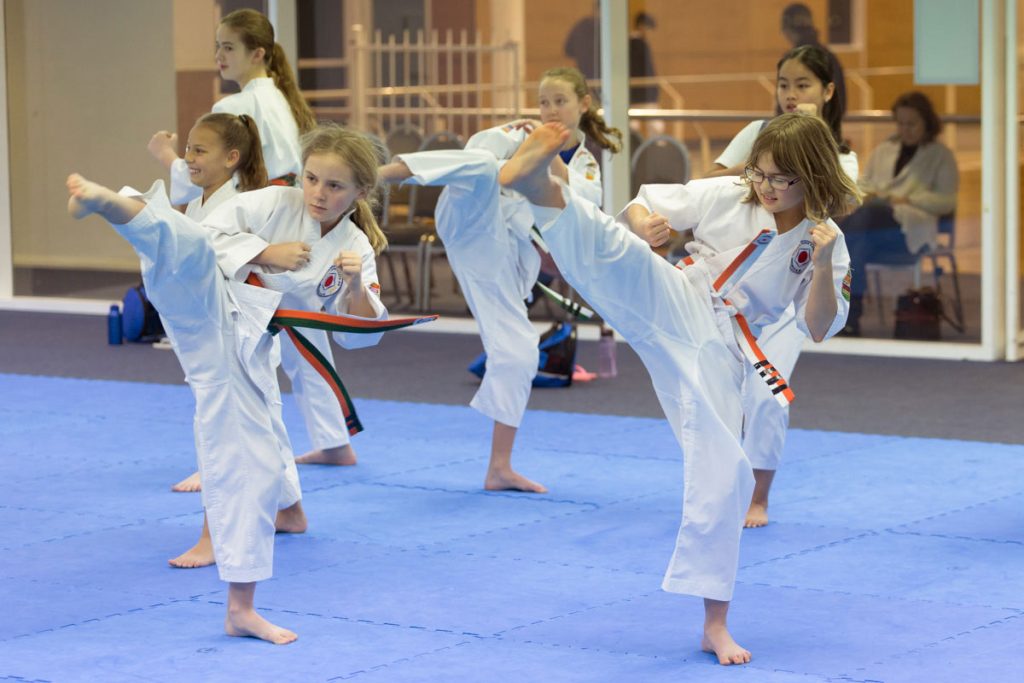
Walking to your car after a late shift. Your teenager is catching the train home from school. A mum navigating a busy city car park alone. These are ordinary situations, yet for many people in Perth, they carry a quiet undercurrent of unease. That feeling rarely gets talked about, but it’s common, and it’s valid. Learning to protect yourself isn’t about expecting the worst. It’s about knowing that if something did happen, you’d have the skills and the composure to handle it. That’s exactly what structured martial arts training delivers, and it’s why more Perth locals are showing up to the dojo.
Why Self-Defence Classes in Perth Are Worth Taking Seriously
Not all self-defence programmes are created equal. A one-day workshop gives you theory. What you actually need is repetition, muscle memory, and trained instinct, and that only comes from consistent practice.
The self-defence classes in Perth locals rely on at Shobukan Martial Arts are grounded in traditional Shotokan and Goju-ryu karate styles with centuries of practical application behind them. Techniques are taught progressively, so beginners aren’t thrown into advanced sparring from day one. You’ll start with fundamental stances and blocks, then build toward wrist releases, deflection techniques, and situational awareness drills.
Here’s the insight most blogs won’t tell you: the physical technique is only half the equation. Research in threat-response psychology consistently shows that people who train under controlled stress, timed drills, partner pressure, and grading nerves develop faster decision-making in real situations. You’re not just learning to throw a punch. You’re retraining how your brain responds to sudden pressure. That’s the real value of regular dojo training over a weekend seminar.
Martial Arts Weapons Training in Perth: More Than Just Combat
One area that surprises many new students is traditional weapons training. Martial arts weapons training in Perth students’ access at Shobukan covers classical tools, the bo staff, nunchaku, and sai, taught as part of formal kata (structured sequences). This isn’t about fighting with a weapon on the street. It’s about the extraordinary benefits that weapons training unlocks physically and mentally.
Handling a bo staff demands balance, core engagement, and bilateral coordination that open-hand training alone won’t develop. It sharpens your spatial awareness, disciplines your timing, and perhaps surprisingly deepens your empty-hand techniques too. Senior students often report that their blocking speed and hip rotation improved markedly after beginning kobudo (weapons) study. It’s a complementary path, not a separate one.
Real Outcomes: Confidence, Fitness, and Focus You Can Actually Feel
What do students genuinely experience after six to twelve months of consistent training? A few honest outcomes:
Cardiovascular fitness improves steadily without the repetitive boredom of gym cardio. Kata training elevates your heart rate, builds functional strength, and improves flexibility, particularly in the hips and shoulders.
Confidence shifts in ways that are hard to quantify but impossible to miss. Take Lily, a nine-year-old who earned her yellow belt within three months of joining Shobukan Martial Arts. Her parents noticed changes at school before they noticed them in the dojo. She was speaking up in class, standing taller, and handling conflict with peers more calmly. That’s not a coincidence. Consistent goal-setting, grading milestones, and respectful competition within the dojo rewire how students carry themselves outside it.
Focus improves too. Many adult students, particularly those in high-pressure professional roles, describe training as the one hour of the week where the phone stays in the bag, and the mind becomes genuinely present.
A Local School With a Genuine Community Behind It
Shobukan Martial Arts has been part of the Perth martial arts community for decades. It isn’t a franchise with rotating instructors and a transactional vibe. The same dedicated senseis teach week in, week out. They know your name. They track your progress. They notice when you’ve been absent.
There’s a multigenerational quality to the dojo that’s increasingly rare. You’ll find teenagers training alongside parents, and white belts earning the respect of black belts simply by showing up consistently. The culture is disciplined but welcoming, traditional in its values, practical in its teaching.
For Perth families, that sense of belonging matters as much as the technique. Choosing a local school means your child (or you) joins something lasting, not just a ten-week block programme.
What to Expect: From Your First Class to Your First Belt Grading
Your first class will feel unfamiliar, and that’s normal. You’ll be introduced to basic stances and perhaps a short warm-up kata. Instructors at Shobukan Martial Arts pair new students with a more experienced training partner, so you’re never just standing at the back watching.
Over the following weeks, you’ll build a foundation in blocks, strikes, and stepping drills. If the school timetable includes martial arts weapons training in Perth, beginners typically observe weapons classes first before joining once they’ve settled into their base training.
Grading usually occurs every three to four months. By your first assessment, you’ll demonstrate basic combinations and a short kata. The process is structured and supportive, not an ambush. Most students describe their first grading as the moment training stops feeling like a class and starts feeling like a practice.
After that first belt, the path unfolds naturally. Each rank introduces new technique layers, more complex kata, and eventually light-controlled sparring. The progression is the point.
Frequently Asked Questions
Most children can begin from age five or six, depending on the school’s class structure. At Shobukan Martial Arts, junior classes are specifically designed for younger students, with age-appropriate instruction and shorter session formats that keep children engaged and progressing safely from the start.
No prior fitness is required. Karate training is itself a form of conditioning; you build the fitness you need through the classes themselves. Beginners are always taught at a pace that matches their current ability, and no one is expected to keep up with advanced students on day one.
A realistic timeframe for a dedicated student training two to three times per week is between four and seven years. Black belt represents genuine proficiency, not just attendance. The journey through coloured belts before that point is where most of the growth, physical, mental, and personal, actually happens.
Weapons training typically begins once a student has established a solid foundation in open-hand basics, usually after achieving a coloured belt rank. It’s introduced gradually, under direct supervision, and focuses on control and form before anything else. Safety is always the priority.
Absolutely. Many of the most dedicated students in any dojo started as complete beginners well into adulthood. Karate has no age ceiling for starting, and adult learners often progress quickly because they bring focus and motivation that younger students are still developing.
Ready to Take Your First Step?
If you’ve been weighing up whether to join self-defence classes in Perth, the honest answer is: the best time to start is now, not next month. Shobukan Martial Arts offers a structured, welcoming environment where beginners are taken seriously, and progress is real. Give them a call to find out about class times, trial sessions, and what to bring along. The team is genuinely happy to answer your questions and help you find the right programme for your age, goals, and schedule. One conversation is all it takes to get started.
Call Shobukan Martial Arts today to visit our website for contact details and class information.